Ensuring Legal Access Before Setting Out on Public Land Hunts
Hunting on land can be a great experience but it's important to know that just because a map shows open land doesn't mean you have the right to go there. Sometimes trails cross property or roads are closed at certain times of the year. These issues can catch you off guard. Lead to problems. To avoid trespassing or ending up on the side of the law make sure you check access rules before you leave home. Don't wait until you're already on the ground to figure things out.
Understanding Ownership versus Access
Digital maps are helpful for seeing where public land is.. Just because a spot appears public doesn't mean you can walk or drive through it. For example a hunting app might say a piece of land is open. The easiest way to get there could go across private land. Also roads that used to be open might now be. Restricted, especially during hunting season or other key times.
Before you go talk to the people. Check with your state wildlife department or the local land office. They can tell you about hunting zones, where you can park, when the area is open and what permits you need. Rules change from year to year so don't rely on information. What worked season might not be allowed this time.
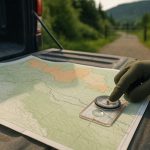
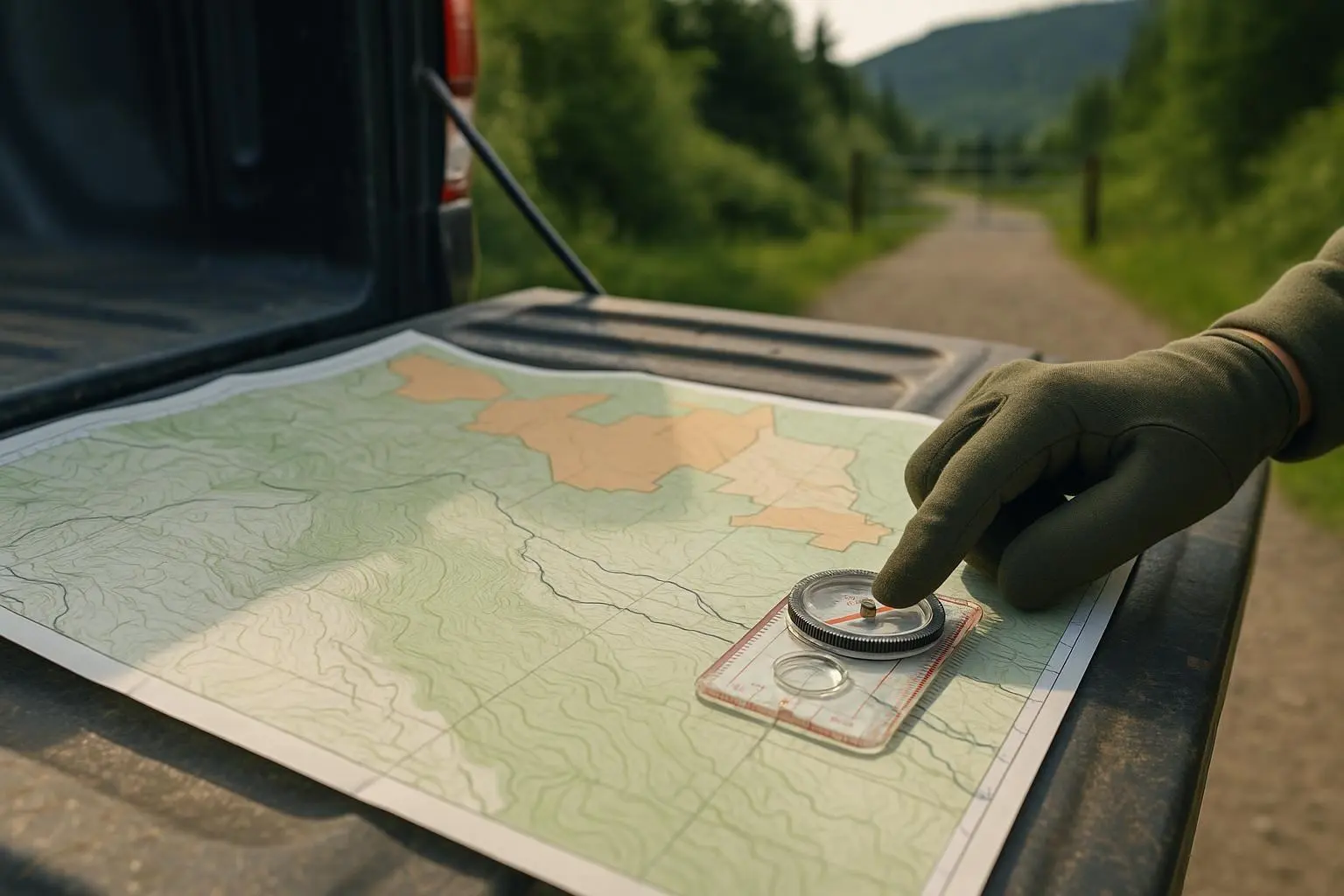
Use than one map if possible. One map can show land ownership another can show terrain or trails. If the maps disagree don't guess. Figure out the truth of picking the one that fits your plan. It's better to spend time checking than to end up in a place you're not allowed to be.
Confirming the Route
Many hunters think that if the destination is public the whole way there must be too. That's not always true. You might know the spot is open. The road or trail you plan to take could be private or closed. Always trace your route from start to finish. Look at the roads, trails and parking areas. Make sure every part of your journey is legal.
Watch for signs that show property. Look for gates, fences or signs that say "No Trespassing." Even if a road looks open it might be closed to vehicles. Only allowed for foot traffic. If you're not sure get an opinion. Ask a local check the website or call the land office. It's better to take a route than to risk getting into trouble.
Pay Attention to Signage
Signs are your guide. They tell you about closures, protected areas or special rules. Always stop at trailheads parking lots and any gate to read the signs. Take a picture if you need to. Make sure you follow the rules on the sign. Don't assume that a sign from year still applies. Rules can change fast.
Fences are not always a sign of land. They might just be keeping livestock in. A closed gate doesn't mean no one can walk through.. You must not move any fence or gate. Don't take the way by walking through a locked gate or climbing a fence. That's not just illegal it's disrespectful.
If a sign is broken, missing or unclear write down the details. Then contact the managing agency soon as you can. Weather, wildlife or maintenance work can change access rules quickly. Always double-check the information before you go. Better safe than sorry.
Ethical Considerations for Access
access is not the only thing to think about. Ethics matter too. Just because a path is public doesn't mean it's right. You might be near someone's home or a farm. You could disturb animals or damage land that's fragile. Be mindful of how your actions affect others.
Don't cut fences. Use private driveways to get to your spot. That's not just illegal it can harm relationships with landowners. Don't block gates or trails. Don't leave trash. Trail your dogs off leash. Keep your gear and your game within the boundaries. Don't push deeper into places where you don't have permission.
Acting with care and respect helps protect the land. It keeps access open. It avoids complaints. It builds trust with the people who live nearby. When you leave make sure gates are closed trash is. The area is left better than you found it.
When to Make the Decision to Turn Back
Sometimes the right choice is to turn around. If you see a gate and no signs or if the route looks blocked don't take a risk. If you can't confirm access-maybe a road is closed or a sign says "No Entry"-it's better to go. Don't assume things are open just because they were time.
Set rules for yourself. Don't cross property. Don't go past closed gates. Don't trust maps or word of mouth. Always have a plan. Know where you can go if your first route doesn't work.. Always check with the managing agency before you go. Rules can change.
A good hunt isn't, about what you find. It's about how you get and how you leave. When you go out take care. Return safely. Respect the land. The wild should stay wild for everyone.