A lighter pack is not automatically a pack. Removing an item because it is rarely used can create a gap when weather turns a route takes longer than expected or a small injury becomes a long walk out. The useful goal is not carrying less at any cost. Carrying equipment that works matches the conditions and supports sound judgment. A deliberate gear audit catches warning signs before departure clarifies which tradeoffs are acceptable and leaves room for the ethical responsibilities that come with hunting and outdoor travel.
Start with the conditions, not the pack
Lay out equipment after considering the actual outing. Distance terrain, expected weather, daylight, access to shelter, communication coverage and the likelihood of being delayed should shape the load. A short trip near a vehicle may justify a safety margin than a remote route over difficult ground.
The first symptom of preparation is often vague: the bag feels crowded but no one can explain why. Separate equipment into three groups: essential for survival and communication necessary for the planned activity and useful only if circumstances change. The third group deserves scrutiny, not automatic removal. A repair item, spare light or extra layer may seem redundant until a zipper fails, batteries fade or temperatures drop.
Weather forecasts are planning tools, not guarantees. Check them close to departure then allow for conditions that're colder, wetter or windier than predicted. If the margin is narrow change the route. Postpone rather than trying to solve a planning problem by adding a confusing collection of last-minute items.
Find failure before the field does
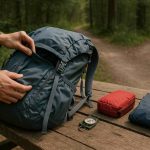
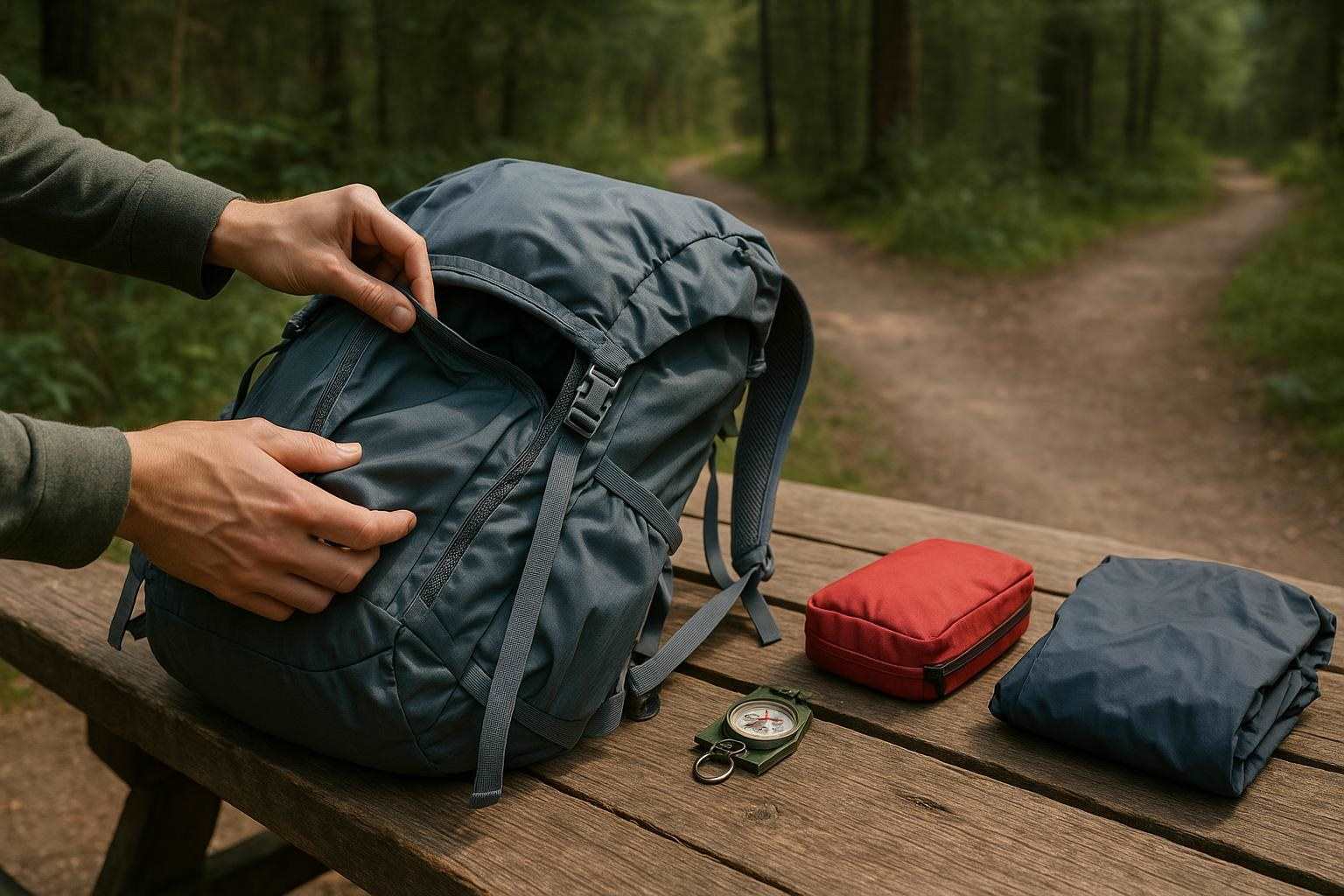
A gear audit should involve handling equipment not just looking at it. Open closures, adjust straps, test lights inspect stitching and check that protective cases still seal. Examine footwear for separating soles, worn tread, damaged laces and places where water can enter. Small defects become problems when walking, climbing or carrying weight.
Pay attention to equipment that protects against exposure or supports an emergency response. A damp insulation layer, an empty power bank, a cracked water container or a first-aid kit missing basic supplies should not be treated as minor inconveniences. Replace, repair or remove the item from the plan until it is dependable. Do not rely on a substitute simply because it resembles the equipment; confirm that it performs the needed job.
For tools check charge levels, cables, settings and offline functions before leaving. Keep information available without assuming a signal will exist. Navigation devices can assist with orientation. They should not erase the need to understand the route carry a backup method and tell someone where you are going.
Make weight decisions by consequence
Lightweight packing works when weight is removed from low-consequence choices. Start with clothing, oversized containers, unnecessary accessories and items included from habit rather than a defined need. Then consider whether each remaining piece has a function whether another item already performs that function and what happens if it fails.
A useful test is simple: if this item is left behind what is the realistic consequence? If the answer is inconvenience the item may be a candidate for removal. If the answer involves hypothermia, unsafe navigation, inability to communicate, contaminated water, an uncontrolled injury or an unlawful activity keep it. Make sure it works.
Do not confuse compactness with suitability. A small layer may pack neatly but offer little protection when wet. A minimalist cutting tool may save space. Be awkward for ordinary camp tasks. The right choice depends on the user, the environment and the consequence of failure not on a label or a trend.
Check the rules before checking the trailhead
Hunting preparation includes more than equipment. Before departure confirm the requirements for licenses, tags, seasons, methods, access, transport, species identification and reporting. Rules can. They may differ between jurisdictions, land managers and wildlife units. Use official agency guidance rather than an old screenshot, a remembered conversation or a general social-media post.
This check is also part of conservation ethics. Legal permission does not remove the need to identify targets carefully respect closures avoid habitat and leave access areas in good condition. Know any restrictions on bait, technology, vehicles, fires, carcass handling and the movement of wildlife materials before entering the field. When a rule is unclear pause and verify it with the authority.
Carry the equipment and ammunition where applicable that are lawful for the specific outing. Keep documents accessible and protected from damage. A gear list that ignores regulation is incomplete no matter how carefully the rest of the pack has been organized.
Use one final departure checklist
A short checklist is useful because rushed departures are when obvious problems survive inspection. Keep it specific, to the outing than copying a generic list:
– Route, access permission, weather and daylight reviewed.
– Current licenses, tags and applicable rules confirmed through official guidance.
– Communication and navigation methods tested, with a backup plan.
– Water, food, layers and emergency supplies matched to the conditions.
– Footwear, pack, closures, lights and power sources inspected.
– First-aid, repair and sanitation items complete and usable.
– Someone trusted knows the route, timing and return plan.
– Any damaged or questionable item removed from service.
The last line matters. "Probably fine" is a symptom worth taking when the equipment supports warmth, movement, navigation or communication. Repair it replace it or adjust the outing so the weakness no longer carries consequences.
A good audit leaves a pack that's neither overloaded nor stripped bare. It also leaves an understanding of the route the rules and the limits of the plan. That is the benefit of lightweight packing: fewer distractions, better decisions and enough reliable equipment to respond when the day does not follow the forecast.